
Different foot pad materials are suitable for different scenarios . The following are the applicable scenarios of various foot pad materials and their advantages and disadvantages:
Wire loop foot pads : Suitable for home and commercial places. Wire loop foot pads are dirt-resistant and easy to clean. The dense filamentous structure on the surface can absorb mud and dust, which is suitable for use on rainy days. But its disadvantage is that the gaps are prone to accumulation of debris and require regular deep cleaning .
Leather foot pads : Suitable for high-end business occasions and luxury models. The surface of leather foot pads is smooth and seamless, with good waterproof and anti-fouling effects, suitable for users who pursue high-end feeling and easy cleaning. But its water absorption is poor, it is easy to slip on rainy days, and it may release odor at high temperatures .
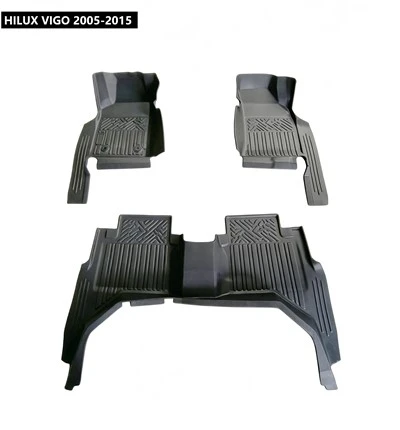
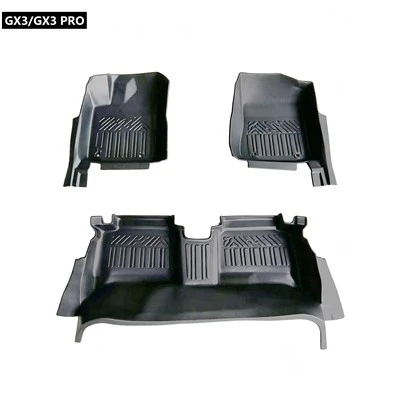
TPE/environmentally friendly material foot pads : Suitable for families with children or those who are sensitive to odors. TPE material is environmentally friendly, odorless, cold-resistant and high-temperature resistant, suitable for maternal and child safety needs. But its price is relatively high and its appearance is relatively simple .
Rubber/plastic foot pads : Suitable for users with limited budgets and who need high cost performance. Rubber foot pads are inexpensive, easy to clean, and suitable for daily use. However, it is easy to yellow and deform after long-term use, and inferior products may release harmful gases at high temperatures.
Suede/plush foot pads: Suitable for winter use. Suede foot pads are soft and comfortable to the touch, and can isolate the cold in winter and create a warm environment. However, they are difficult to clean and are suitable for dry and rainy areas.